
Hi, I’m Rick Richey. I help personal trainers take control, grow their businesses, and thrive, backed by 20+ years of real-world experience.
If you’re wondering how to fill group training classes in NYC without spending on ads, you’re not alone. This guide breaks down the exact steps trainers are using to grow without burnout.
“Even the best group class in NYC won’t survive if no one shows up.”
I once taught a class for two people in a room built for twelve.
Great playlist. Great programming. Great energy… for about five minutes.
Then the echo kicked in. The vibe dipped. And while I did my best to coach with intensity, it felt like failure.
And I know I’m not the only one who’s been there.
In a city packed with gyms, instructors, and competition, most trainers assume the challenge is standing out. But the real problem isn’t visibility — it’s having no clear system to consistently fill your classes.
Whether you’re running bootcamps, strength circuits, yoga flows, or HIIT sessions, the truth is this:
If you don’t know how to attract clients into your group classes — your business will stall, no matter how great your programming is.
That’s what this post is here to fix.
As a fitness educator, gym owner, and someone who’s helped dozens of trainers transition into thriving independent group class businesses, I’ve seen firsthand what works — and what doesn’t.
In this article, you’ll learn:
- Why so many group classes in NYC struggle to gain traction
- How to attract clients without running ads or dancing on TikTok
- The exact micromagnet and follow-up system we teach at GroupByITS
- How to turn new faces into loyal clients — and full rooms — week after week
Whether you’re launching your first class, trying to rebuild momentum, or shifting from one-on-one to small group, this guide will give you the structure you need to build real momentum.
Let’s break it down.
Table of Contents
Why Do So Many Group Fitness Classes Fail to Fill Up?
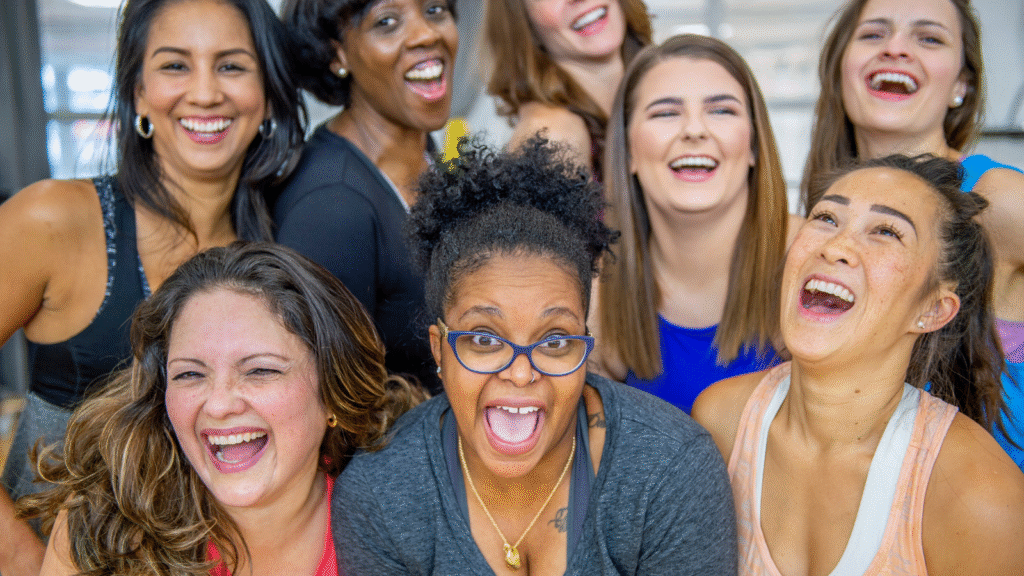
Most group training classes in NYC fail to gain traction not because the programming is bad — but because the marketing is nonexistent.
Trainers launch a class, post a few times on Instagram, and wait.
They’re relying on what I call “hope marketing”:
They hope someone sees the post.
They hope someone shows up.
They hope the class fills over time.
But hope isn’t a strategy — especially not in the most competitive fitness market in the world.
What We See Every Week at GroupByITS
Here’s what’s usually missing when a class struggles to fill:
1. No Clear Promise or Transformation
Instead of offering “HIIT on Tuesdays” or “Strength Circuit,” successful trainers lead with:
“Build stronger glutes in 6 weeks — no heavy squats required.”
“Busy Parent Reset: 30-minute full-body workouts before school drop-off.”
People don’t buy workouts. They buy results that solve a problem.
2. No Lead Generation System
Posting and praying is not a system.
Successful trainers use:
- Micromagnets (free checklist, challenge invite, mobility PDF)
- DM prompts (“DM RESET for our free 1-week trial”)
- Referral scripts and follow-ups
They create interest, capture leads, and follow up fast.
3. No Trial or Low-Barrier Entry
A cold prospect isn’t likely to drop $300 for a monthly class pass on day one.
But will they try a free “taster” session?
A 7-day intro pass?
A mini-program for $49?
Absolutely — if the experience matches the promise.
4. No Niche or Target Market
A class “for everyone” ends up being for no one.
The most successful trainers niche down to:
- Busy professionals
- 40+ women
- Runners
- New dads
- Strength-focused yoga
It’s not about exclusion — it’s about specific connection.
So What:
If your class isn’t filling, the problem probably isn’t marketing.
It’s positioning.
You can’t promote what people don’t understand — and clients won’t show up to something that feels vague, vanilla, or irrelevant to their goals.
Fix the offer first. Then build the promotion system around it.
What’s the First Step to Filling Group Training Classes?

The first and most important step to filling your group training classes in NYC is clarity.
Specifically: a clear, niche-specific offer that speaks to a defined problem and outcome — not just a class name like “HIIT” or “Bootcamp.”
If your offer is vague, generic, or sounds like what everyone else is doing, people will scroll past it — or worse, show up once and never return.
Offers That Actually Fill Classes
At GroupByITS, we work with dozens of independent trainers who’ve filled their sessions not by offering “workouts,” but by solving specific problems for specific people.
Here are a few examples that work:
Glutes & Core 40+
Target: Women over 40
Promise: Functional strength and posture without heavy lifting or high-impact exercises
Why it works: It’s age-specific, goal-specific, and benefit-oriented
Strength for Runners
Target: Recreational runners training for races
Promise: Improve running performance and reduce injury risk in under 2 hours/week
Why it works: Clear outcome, clear audience, and solves a real performance problem
Busy Parents 30-Minute Reset
Target: Working parents with limited time
Promise: Full-body workouts, no childcare needed, all wrapped in 30 minutes
Why it works: Time-conscious, emotionally relatable, and action-oriented
Compare those to:
- “Functional Fitness”
- “Total Body HIIT”
- “MetCon Mondays”
Which of those is going to stop someone mid-scroll?
Which will make them say: “That’s for me”?
It’s not about being clever — it’s about being clear.
So What:
People don’t refer “good workouts.”
They refer offers that feel tailored to someone they care about.
When someone understands exactly:
- What the class is
- Who it’s for
- What problem it solves
- What the result will be
…they’re far more likely to show up — and even more likely to bring someone with them.
A clear, niche offer is the foundation of your fill-up system. Without it, your funnel has no fuel.
How Do You Attract New People Without Spending on Ads?
You don’t need a massive marketing budget to fill your group training classes — you need a micromagnet.
A micromagnet is a simple, specific offer that creates curiosity and encourages low-barrier engagement — like “DM for access” or “grab the free guide.” It gives people a reason to raise their hand, and you a reason to follow up.
Real Examples That Work
At GroupByITS, we’ve seen trainers go from no leads to booked-out classes using nothing more than Instagram DMs and a focused offer.
Example: “DM MOBILITY” Micromagnet
Offer: “DM MOBILITY to get our 5-minute warm-up PDF”
→ 18 DMs
→ 5 tastings (trial classes)
→ 2 paying clients
Same warm-up sequence the trainer had already shared 10 times — now just packaged better, with a stronger call to action.
Micromagnet Ideas That Work for NYC Trainers
- Free Trial Week
“Come try any class next week — no obligation. Limited spots.” - Challenge Kickoff Invite
“Join the 7-Day Reset — perfect if you’ve fallen off track lately.” - PDF Checklist
“Grab our Busy Parent Morning Routine for energy that lasts.” - Scorecard/Quiz
“Take the Fit for 40+ Scorecard and find your ideal training plan.”
Where to Use Them (Ad-Free):
- Instagram posts and stories (“DM CORE”)
- WhatsApp status and 1:1 messages
- Local Facebook groups or community pages
- Simple landing page or link in bio
- Email signature or follow-up reply
- Printed QR code posters (near coffee shops or co-working spaces)
What makes these effective?
- They’re short
- They’re actionable
- They solve one specific problem
- They move people from awareness to engagement
No funnels. No fancy tech. Just a clear offer and a follow-up path.
So What:
You don’t need paid ads — you need a message worth responding to, and a system to turn attention into attendance.
The trainers who fill their classes aren’t louder — they’re just clearer, faster to follow up, and consistent with their call to action.
The micromagnet is the spark. The class is the fire.
It’s time to light the match.
What Role Does Class Experience Play in Retention and Growth?
The best way to grow your group class isn’t chasing new leads — it’s retaining the clients already in the room and delivering an experience they can’t stop talking about.
You don’t need 50 new leads every month.
You need 10 clients who love it so much they bring their friends.
And that starts with what happens during the session, not just before or after.
The Small Details That Build Big Loyalty
At GroupByITS, we’ve seen firsthand how the trainers who fill their schedules aren’t always the most “charismatic” or “advanced” — they’re the ones who deliver a structured, high-value experience from the second someone walks in.
Here’s what that looks like in practice:
1. Audio + Mic = Better Energy and Clarity
If clients can’t hear you — or you’re shouting over the music — the energy drops.
Clear, confident coaching builds trust and presence.
Our studios include full mic + audio systems by default — because experience is built into the delivery.
2. Structured Warm-Ups and Cool-Downs = Professionalism
The difference between “random trainer” and “legit coach” is often in the transitions.
Start on time. Warm them up. Cool them down. Wrap up with intention.
Predictability builds safety and authority — both of which drive retention.
3. Recognition, Names, and Community Feel = Retention
- Greet people by name.
- Celebrate progress (first push-up, PR, attendance streak).
- Create “I belong here” moments.
Trainers who cultivate micro-community in class get fewer cancellations, more rebookings, and stronger word-of-mouth.
4. Five-Star Reviews + Referrals Are the Byproduct of Great Delivery
You don’t need to beg for testimonials when you’re consistently delivering 10/10 sessions.
Make the class unforgettable.
The rest follows.
So What:
A packed class this week means nothing if no one comes back next week.
The real business growth comes from retention-driven referrals — not new ads, not more posts, not endless giveaways.
Every full schedule you see?
It’s built on one great class, delivered consistently, that created a ripple effect.
How Does Your Space Affect Class Attendance and Growth?
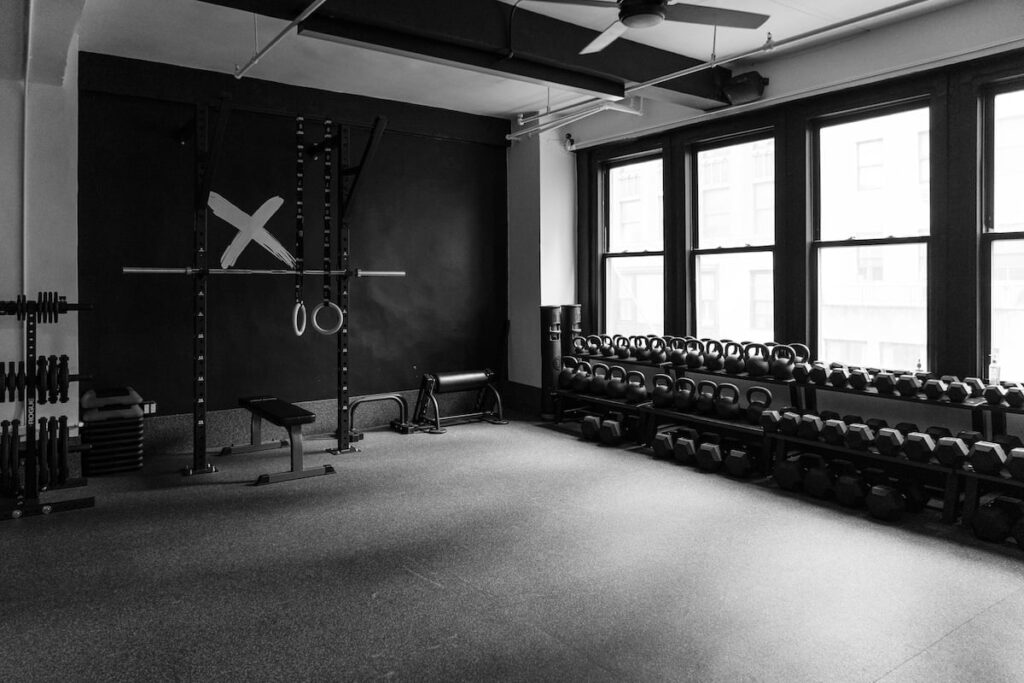
Your space isn’t just where you coach — it’s a reflection of your brand.
If the space looks unprofessional, feels cramped, lacks energy, or forces awkward transitions, it quietly tells clients:
“This trainer isn’t ready for business.”
The wrong space won’t just slow you down.
It will silently repel the very clients you’re working so hard to attract.
What Space Signals to Your Clients (Even If You Don’t Say It Out Loud)
In NYC, where competition is fierce and expectations are high, your environment is part of the experience — whether you like it or not.
1. Poor Layout = Awkward Flow
Clients shouldn’t have to dodge kettlebells or wait their turn for floor space.
If the room doesn’t support smooth transitions and structured flow, your coaching suffers — and clients feel it.
2. No Mic = Energy Drop
Shouting over music is exhausting — for both you and your clients.
Without a proper audio system, your energy drops, your instructions get lost, and the class quickly feels chaotic.
3. Late Transitions = Class Overruns
If you’re constantly starting late because the trainer before you didn’t clear out, or you’re resetting equipment between classes, clients notice.
They won’t always say it — but they feel rushed, disrespected, and frustrated.
4. Clutter = Lower Perceived Value
Scattered gear. No signage. Sloppy storage. These may seem minor to you, but to your client — it signals disorganisation and low attention to detail.
If the space looks like a side hustle, they’ll treat your class like one.
5. GroupByITS = Trainer-First Space That Elevates Your Brand
Every studio at GroupByITS was designed with the coach in mind, including:
- Professional mic + audio systems
- Flexible booking and prep time between sessions
- Clean, open-floor layouts that support everything from yoga to Hyrox
- Branding-friendly policies so you can promote your business, not someone else’s
Clients may not know why the space feels better — but they’ll remember how it felt.
And that memory keeps them coming back.
So What:
Space doesn’t just host your business — it represents it.
It shapes first impressions, reinforces professionalism, and supports the kind of experience that fuels retention and referrals.
You’re not just renting walls.
You’re investing in a platform that amplifies your delivery and earns client trust from the moment they walk in.
What’s Working for Trainers at GroupByITS?
Independent trainers at GroupByITS are growing faster — not because they have bigger followings or better credentials — but because they’re running their own brand, on their own schedule, in a space that supports consistency and growth.
They’re not stuck in someone else’s gym.
They’re not trying to impress a studio manager.
They’re focused on one thing: building a loyal community, class by class.
Bridge Content:
We’ve seen trainers go from empty time slots to waitlisted sessions in under 6 weeks — not by running ads, hiring marketers, or launching massive promos…
…but by:
- Clarifying their niche and offer
- Creating a micromagnet or low-barrier entry
- Following up quickly and professionally
- Delivering great classes in a well-designed space
They didn’t need a studio.
They needed a system — and a space that let them run their business like a business.
One trainer said:
“I used to worry about how I’d fill my week. Now I have a waitlist and only coach three days a week — all in one location.”
Want to see how they’re doing it?
- Book a free tour and walk the space
- Download the Info Pack to see pricing and booking options
- Get The Independent Trainer’s Book and learn the framework they’re following
Frequently Asked Questions
How do I market my group fitness class in NYC?
Start by solving a real problem for a specific type of person. Then promote it using Instagram posts and stories, WhatsApp groups, and direct referrals from current or past clients. Clear offer + personal outreach = traction.
What’s a good price point for group fitness classes?
In NYC, the standard range is $25–$35 per session for boutique-style group classes. You can charge more if your experience is premium, niche-focused, or transformation-based.
Should I offer a free trial?
Yes — but don’t position it as “come try a class for free.” Instead, offer a “taster session,” “intro week,” or “starter pass” with clear next steps. This creates urgency and positions the trial as the first step into something bigger.
How long should a group class be?
45–60 minutes is ideal. It’s long enough to deliver meaningful results, short enough to keep busy professionals coming back consistently — and easy to schedule into your rental window.
Key Takeaways
- A clear, niche-specific offer outperforms a general “bootcamp” every time
- Micromagnets + trial offers convert faster than waiting for referrals to show up
- The experience inside the class determines whether clients come back — and bring friends
- Your space reflects your brand — clients notice layout, energy, flow, and professionalism
- You don’t need a big ad budget — you need clarity, consistency, and a simple follow-up path
Ready to Fill Your Classes Without Burning Out?
Building a full schedule in NYC doesn’t require a studio of your own.
It doesn’t require a marketing degree.
And it definitely doesn’t require you to burn out chasing clients every week.
What it does require is clarity, structure, and consistency — across your offer, your client journey, and your space.
Here’s what we covered:
- Niche your offer so it speaks to a specific person with a specific goal
- Use micromagnets to attract new people without ads or complicated funnels
- Focus on retention by delivering a class experience clients rave about
- Choose a space that supports your delivery — not one that works against it
You don’t need a full gym.
You don’t need a marketing degree.
You need the right offer — in the right space — delivered consistently.
Take the Next Step:
Book a Free Tour of GroupByITS
Come see the space in person, walk through how it works, and see if it’s the right fit for your brand.
Download The Independent Trainer’s Book
Pricing, hours, amenities, FAQs — everything you need to make an informed decision.