
Hi, I’m Rick Richey. I help personal trainers take control, grow their businesses, and thrive, backed by 20+ years of real-world experience.
This Decision Shapes Your Entire Business
If you’re comparing gym rental vs revenue split in NYC, you’re not just choosing where to train.
You’re choosing how your business is going to work day to day.
For most trainers, this question doesn’t come up at the start.
It comes up when things are already working.
You’ve got clients.
You’re busy.
And you’re starting to feel the limits of your current setup.
At that point, the decision usually looks simple:
Do I stay where I am and keep working on a split…
or do I move toward renting space and running things myself?
On the surface, it feels like a financial choice.
One option feels safer.
The other feels like a step up.
But in reality, it changes a lot more than just how you get paid.
It affects:
- How your schedule runs
- How your sessions are delivered
- How much control you actually have
- And how easy it is to grow from where you are now
In a city like New York, those differences don’t always show up immediately.
Both models can work—for a while.
But once your schedule fills up, and you start trying to make things more consistent, the cracks tend to show.
That’s usually the point where trainers realise this wasn’t just a small decision—it was a structural one.
So instead of looking at this as “which is better,” this guide breaks down:
- How each model actually works in NYC
- What they feel like once you’re operating inside them
- And how to think about the decision based on where you are right now
If you’re trying to build something stable—not just stay busy—this is the context that matters.
Table of Contents
Should personal trainers rent gym space or work on a revenue split?
For most personal trainers, a revenue split works well at the start, while renting space becomes a better option as your business grows.
A split model gives you lower upfront risk and a steady environment to build your client base. But it also limits your control over how you run sessions and caps how much you can earn.
Renting space gives you more control over your schedule, your pricing, and how you operate day to day. It comes with more responsibility, but it also makes it easier to build something consistent and scalable over time.
In practice, the best option depends on where you are. Early on, a split can make sense. Once you have consistent demand, most trainers start looking for more control.
Most trainers don’t switch because they want to—they switch because they start to feel the limitations of the split model over time.
The Two Models Explained
Before comparing which option is better, it helps to be clear on how each model actually works in practice.
Most trainers in NYC operate under one of these two setups.
A. Revenue Split Model
In a revenue split model, you operate inside an existing gym and give the facility a percentage of what you earn from each session.
In NYC, this typically looks like:
- The gym provides the space, equipment, and environment
- You bring in your own clients or work with the gym’s members
- A percentage of each session—often around 30–50%—goes to the gym, with many trainers typically keeping between 50–70% of what they charge.
On the surface, it’s straightforward.
You don’t pay rent.
You don’t have to manage the space.
And you can focus on coaching.
That’s why it works well early on.
But the trade-offs show up over time.
You don’t control:
- The environment
- The rules around how you train
- Or how your sessions are structured
And your income is tied directly to the split.
As your schedule fills up, that percentage becomes more noticeable.
B. Gym Rental Model
In a rental model, you pay for access to space—either hourly or on a fixed monthly basis—and keep what you earn from your sessions.
In NYC, this usually takes one of two forms:
- Hourly rental, where you book space as needed
- Monthly or fixed access, where you pay for consistent time slots
Instead of sharing revenue, you’re taking on the cost of the space directly.
That changes how the business feels.
You have more control over:
- Your schedule
- Your pricing
- How your sessions are delivered
But you’re also responsible for:
- Covering your costs
- Managing your time effectively
- Making sure your schedule stays full
In practice, this model gives you more flexibility—but also requires more structure to make it work consistently.
Why This Distinction Matters
Both models can work.
And most trainers will experience both at different stages.
But they create very different operating conditions.
One prioritises simplicity and lower risk.
The other prioritises control and long-term scalability.
The difference becomes clearer once you compare how these models actually behave when your schedule fills up and you start trying to grow.
The Real Decision: Control vs Dependency

At this point, it’s easy to look at this as a comparison between two payment models.
Split versus rent.
Percentage versus fixed cost.
But that’s not really what determines how your business works.
The real decision is this:
Are you building your business inside someone else’s system—or are you building one of your own?
Because that’s where the difference starts to show.
If You Stay on a Revenue Split
You’re operating inside a structure that already exists.
That comes with some clear advantages:
- The environment is already set up
- You don’t have to think about overhead
- You can focus on delivering sessions
But the trade-off is dependency.
Your schedule, your setup, and the way you run sessions are all shaped by the gym.
For a while, that can feel like stability.
You know where you are.
You know how things work.
But as your schedule fills up, you start to notice the limits.
You’re working more—but not necessarily moving forward in how the business is structured.
If You Move to a Rental Model
You’re no longer working inside someone else’s system—you’re responsible for your own.
That changes things quickly.
You decide:
- When you train
- How your sessions are run
- What your schedule looks like
There’s more responsibility, but also more control.
And that control makes it possible to:
- Structure your week properly
- Deliver sessions consistently
- Build something that doesn’t depend on someone else’s setup
Why This Distinction Matters
Both models can work.
And both have their place.
But they create very different conditions over time.
When you stay on a split:
- Things feel simple
- But progress tends to flatten out
When you move toward rental:
- Things feel less certain at first
- But you have more room to build something properly
Where Most Trainers Get Caught
The issue isn’t choosing one model over the other.
It’s staying in a system that no longer matches where you are.
Most trainers don’t make this decision all at once.
They grow into it.
At first, the split works.
Then at some point, it starts to feel restrictive.
That’s usually the moment where the question changes from:
“What’s easiest right now?”
to:
“What actually supports where I’m trying to go?”
Once you look at it this way, it becomes easier to compare these models properly—and see where each one starts to break down.
Gym Rental vs Revenue Split in NYC: Control, Income, and Scalability
Once you step back from the surface differences, the gap between these two models becomes clearer.
They’re not just different ways of paying for space—they create very different conditions for how your business runs.
| Model | Income Potential | Control | Risk | Scalability | What Typically Breaks |
| Revenue Split | Medium (capped by % taken) | Low | Low upfront risk | Low–Medium | Income ceiling, lack of control over schedule and sessions |
| Gym Rental | High (you keep full session revenue) | High | Medium (fixed costs to cover) | High | Inconsistent schedule if not structured properly |
Most trainers focus on risk at the start.
In practice, the more important differences show up later—when your schedule is full and you’re trying to make your business more consistent.
To understand how these differences actually play out, it helps to look at what each model feels like once you’re operating inside it week to week.
What This Looks Like in Practice
To make this more concrete, here’s how these models tend to play out once you’re actually running sessions week to week in NYC.
Scenario 1 — Working on a Revenue Split (Busy, but Capped)
You’re operating inside a commercial gym on a split.
On paper, it works:
- No rent to worry about
- A steady environment
- Access to members and foot traffic
And for a while, it does exactly what you need.
You build your client base.
You stay busy.
Your schedule fills up.
But over time, the limitations become harder to ignore.
- A percentage of every session goes to the gym
- Your schedule is shaped by availability, not design
- You have limited control over how sessions are run
What happens over time:
You can stay consistently busy—but your income and structure don’t evolve in the same way. You’re working more, but the model itself doesn’t change.
Scenario 2 — Renting Space Hourly (Flexible, but Inconsistent)
You move into a rental model, booking space as you need it.
On paper:
- Low commitment
- More independence
- Control over your sessions
In practice:
- Peak time slots aren’t always available
- Your schedule shifts week to week
- You’re constantly adjusting around availability
At first, the flexibility feels like an advantage.
But it comes with trade-offs.
You’re building your business around the space—rather than the space supporting your business.
What happens over time:
You spend more time coordinating sessions and less time refining them. It works, but it’s harder to make it consistent.
Scenario 3 — Renting with Structure (Consistent and Scalable)
Instead of booking ad hoc space, you commit to a structured setup—consistent time slots, a predictable environment, and a clear schedule.
On paper:
- Higher commitment
- More responsibility
- Fixed costs to manage
In practice:
- Your sessions run at the same times each week
- Your environment stays consistent
- Your schedule becomes easier to manage and build around
This is where things start to shift.
You’re no longer reacting to availability—you’re operating on a plan.
What happens over time:
Sessions become easier to deliver, clients experience more consistency, and it becomes possible to scale without constantly reworking your schedule.
The Pattern Most Trainers Notice
Each of these setups can work at different stages.
But as soon as you try to:
- Stabilise your schedule
- Improve the client experience
- Or build something that grows over time
The differences become more obvious.
It’s not about effort.
It’s about whether the model you’re operating in actually supports what you’re trying to build.
This is where many trainers start to realise the issue isn’t how hard they’re working—it’s the structure they’re working inside.
Where Each Model Works
It’s easy to frame this as one model being better than the other.
In practice, both have a place—just at different stages.
When a Revenue Split Makes Sense
A split model works well when you’re still building.
Early on, the priority is simple:
- Getting clients
- Building experience
- Filling your schedule
In that phase, a revenue split gives you:
- A ready-made environment
- Low upfront risk
- A straightforward way to start working
You don’t have to think about overhead.
You don’t need a full schedule from day one.
You can focus on coaching and building momentum.
For many trainers, this is the right place to begin.
When Rental Starts to Make More Sense
At some point, the priorities change.
You’re no longer trying to get clients—you’re trying to manage them properly.
You might:
- Have a consistent client base
- Be working close to capacity
- Be thinking about how to make your schedule more stable
That’s usually where rental starts to make more sense.
Because what you need changes.
You start to value:
- Control over your time
- Consistency in how sessions run
- The ability to structure your week properly
That’s harder to achieve inside a split model.
The Shift That Happens
Most trainers don’t jump from one model to the other overnight.
They grow into it.
At first, the split feels like the easiest option.
Then over time, it starts to feel limiting.
Not because it’s wrong—but because it no longer matches where you are.
A Simple Way to Think About It
- Split model: helps you get started
- Rental model: helps you build something more structured
Neither is inherently right or wrong.
The key is whether the model you’re in still supports what you’re trying to do.
The issue most trainers run into isn’t choosing the wrong model—it’s staying in the same model for longer than they should.
What Most Trainers Get Wrong

By the time trainers are choosing between rental and a revenue split, it’s rarely a lack of information that causes problems.
It’s how the decision is being made.
Choosing Based on Fear
A lot of decisions at this stage are driven by what feels safest.
Staying on a split means:
- No rent to cover
- No fixed costs
- No real downside if a week is slow
On the surface, that makes sense.
But over time, that “safety” can become a constraint.
You avoid taking on risk—but you also avoid changing the structure of how your business works.
In practice, many trainers stay longer than they need to—not because it’s the right model, but because it feels easier to stick with.
Avoiding Responsibility
Moving to a rental model changes your role.
You’re no longer just delivering sessions—you’re managing how your business runs.
That includes:
- Structuring your schedule
- Covering your costs
- Making sure your time is used properly
For some trainers, that shift feels like a step up.
For others, it feels like more pressure.
So instead of stepping into it, they stay where things are simpler—even if it limits what they can build.
Overestimating the Stability of a Split Model
A split model can feel stable because the environment doesn’t change.
The gym is there.
The setup is familiar.
The routine is predictable.
But the underlying structure hasn’t changed.
Your income is still tied to:
- The percentage you’re giving up
- The rules of the facility
- The availability of space
At a certain point, that stability starts to plateau.
You can stay busy—but it becomes harder to improve how the business actually runs.
The Common Pattern
Most of these mistakes come back to the same thing:
Making a structural decision based on short-term comfort.
Both models work.
But they work best when they match where you are—and where you’re trying to go next.
Once you see that clearly, it becomes easier to understand why the decision changes as your business grows.
What Changes as You Grow
Early on, the priority is simple.
Get clients.
Fill your schedule.
Build some consistency.
At that stage, a revenue split model often makes sense.
It’s straightforward.
It removes a lot of upfront pressure.
And it gives you a place to work while you figure things out.
But as your business grows, the priorities start to shift.
You’re no longer asking:
“How do I get more clients?”
You’re asking:
“How do I manage what I’ve already built?”
That’s where things begin to change.
The Shift in What You Value
As your schedule fills up, different factors start to matter more:
- You want your sessions to run at the same times each week
- You want your environment to stay consistent
- You want more control over how your day is structured
What used to feel like flexibility can start to feel like friction.
Where the Split Model Starts to Limit You
A split model doesn’t usually break—it just stops evolving.
- Your income is still tied to a percentage
- Your schedule is still shaped by the gym
- Your sessions are still influenced by the environment
At first, that’s fine.
But over time, it becomes harder to improve how the business actually runs.
You’re working inside a structure that hasn’t changed—while your expectations have.
Where Rental Starts to Open Things Up
When you move into a rental model, the structure changes.
You’re not just delivering sessions—you’re shaping how they run.
That gives you the ability to:
- Design your schedule properly
- Deliver sessions more consistently
- Build something that can grow beyond where it started
It doesn’t happen instantly.
But it gives you room to improve things that were previously fixed.
The Key Insight
What feels safe early on often becomes limiting later.
Not because it’s wrong—but because it no longer matches where you are.
Most trainers don’t notice this straight away.
They feel it gradually.
Sessions get harder to manage.
Schedules become less efficient.
Progress slows down.
That’s usually the point where the decision needs to be revisited.
When you reach that stage, the question isn’t which model is easier—it’s which one actually supports what you’re trying to build next.
Key Insights: What Actually Drives the Outcome
Once you step back from the details, a few patterns become clear.
1. Simplicity vs Control
A revenue split model is simpler to operate.
You don’t manage the space.
You don’t carry fixed costs.
You can focus almost entirely on coaching.
But that simplicity comes with limits.
Your income is tied to a percentage, and your setup is shaped by the gym.
It works—but it doesn’t change much as you grow.
2. Responsibility vs Scalability
A rental model introduces more responsibility.
You’re managing your schedule.
You’re covering your costs.
You’re making decisions about how your time is used.
That can feel like a step up.
But it also gives you the ability to structure things properly.
Over time, that’s what allows you to:
- Stabilise your schedule
- Improve how sessions run
- And build something that scales beyond your current capacity
3. The Environment Matters More Than the Model
Both models can work on paper.
But in practice, the environment you’re operating in has a bigger impact than the model itself.
If your setup:
- Changes week to week
- Limits how you run sessions
- Or forces you to adapt constantly
It becomes harder to build consistency—regardless of how you’re paying for the space.
4. Most Decisions Are Made Too Early—or Too Late
Some trainers move too quickly into rental before they have the demand to support it.
Others stay on a split long after it stops serving them.
In both cases, the issue isn’t the model—it’s the timing.
The right choice depends on whether your current setup still supports how you’re trying to operate.
The Thread That Connects It All
This isn’t about which option is “better.”
It’s about understanding how each model behaves once you’re actually working inside it.
Because that’s where the real differences show up.
Once you see that clearly, it becomes easier to place each option in context—and understand where a more structured approach starts to fit.
Where Independent Facilities Fit

Once you’ve seen how both models behave, it becomes clear there’s a gap.
Most options fall into one of two ends:
- You work inside a gym on a split, with limited control
- Or you rent space and take on full responsibility for making it work
Independent training facilities sit somewhere in the middle.
They’re not a traditional split model.
But they’re also not unstructured, ad hoc rental.
A More Structured Version of Rental
The key difference is how the environment is set up.
Instead of you having to piece everything together, the structure is already in place:
- Consistent access to time slots
- A layout that supports how sessions are run
- An environment built for repeatability
You still operate independently.
You run your own sessions.
You control your schedule.
You build your own client base.
But you’re doing it inside a setup that removes a lot of the friction that comes with managing space on your own.
What This Looks Like in Practice
In NYC, there are a small number of facilities built specifically around this model.
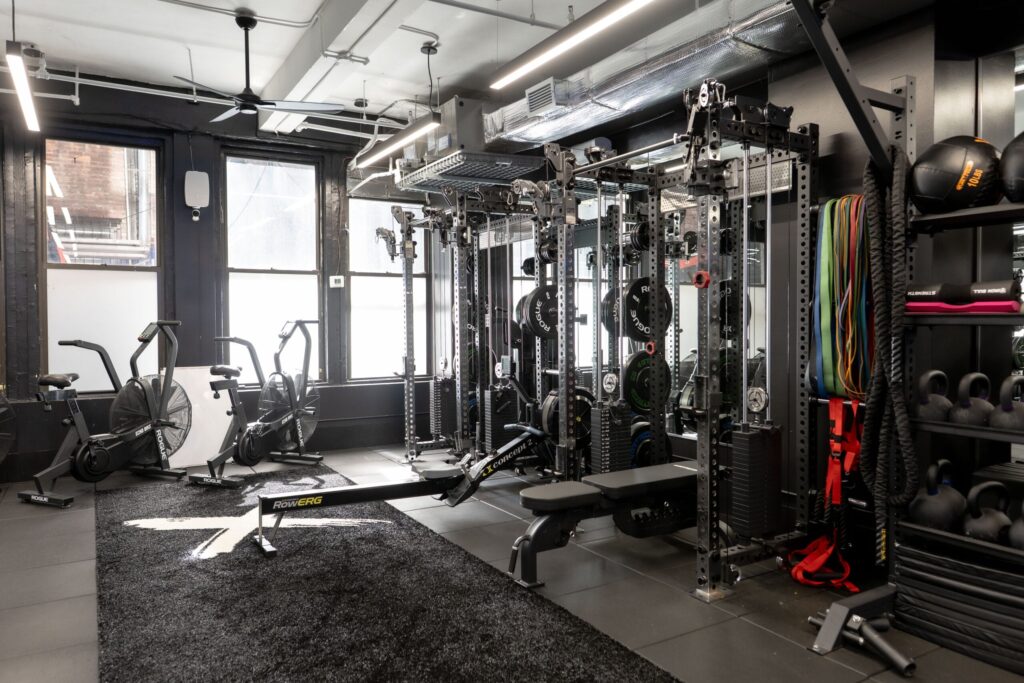
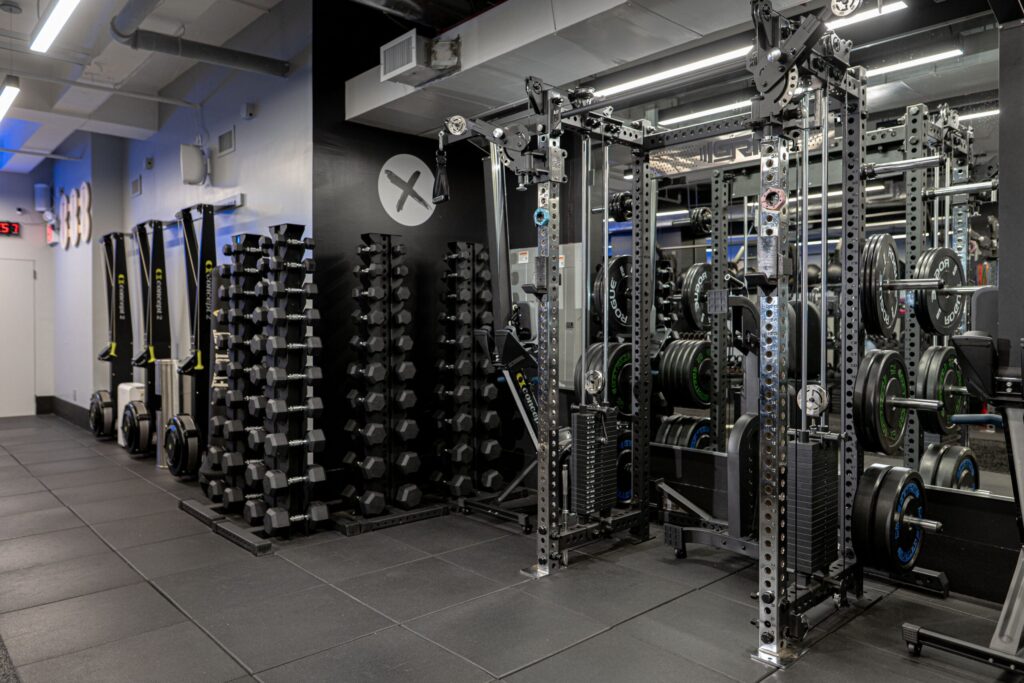
Group by ITS is one example—designed for coaches who want to run their own sessions, but within a structured environment that supports consistency.
The focus isn’t just access to space.
It’s creating a setup where:
- Sessions can run the same way each week
- Schedules are predictable
- And coaches can build something stable without constantly adapting to the environment
Why This Matters
One of the biggest challenges with rental isn’t the cost—it’s the inconsistency.
- Different time slots
- Changing environments
- Constant adjustments
That’s what makes it harder to build something stable.
When the environment is consistent, a lot of that disappears.
Sessions run the same way each week.
Your schedule becomes easier to manage.
You can focus more on coaching, and less on logistics.
How to Think About It
This isn’t about finding a “better” option.
It’s about choosing a setup that supports how you want to operate.
For some trainers, a split still makes sense.
For others, independent rental works well.
But for those who want more control without the instability that often comes with managing space on their own, a more structured environment tends to make the process easier.
Transition Line (important)
If that’s the direction you’re moving in, the next step is to decide whether your current setup is still supporting you—or holding you back.
Is This the Stage You’re At?
Not every trainer in NYC needs to move away from a split or into a more structured setup.
But if you’ve read this far, there’s a good chance you’re no longer at the early stage.
This tends to apply when:
- You’ve built a consistent client base
- Your schedule is close to full most weeks
- You’re starting to feel the limits of your current setup
- You’re thinking about how to make things more stable or scalable
At that point, the question isn’t whether your current model works.
It’s whether it still fits.
For a while, most trainers can make any setup work.
They adapt.
They adjust their schedule.
They work around the environment.
But over time, that becomes harder to maintain.
And that’s usually where this decision shifts—from choosing what’s easiest now, to choosing what actually supports where you’re going next.
What to Do Next
If you want to see what a more structured approach to independent training looks like in practice, you can explore how Group by ITS is set up for coaches running their own sessions:
If You’re Still Weighing Your Options
If you’re not quite at that stage yet, it’s worth stepping back and looking at the numbers and setup behind each option before making a decision:
- → What Does It Cost to Rent Gym Space in NYC as a Personal Trainer?
- → Best Group Training Spaces in NYC for Personal Trainers (Honest Comparison)
Those will give you a clearer picture of how different environments and cost structures affect how your business runs day to day.
FAQ: Gym Rental vs Revenue Split in NYC for Personal Trainers
Should personal trainers rent gym space or work on a revenue split in NYC?
For most personal trainers in NYC, a revenue split works well at the start, while renting space becomes more relevant as the business grows. A split model reduces upfront risk and provides a ready-made environment, but it limits control and caps long-term income. Renting space gives you more control over your schedule, pricing, and session structure, but it requires consistent demand to make it work. In practice, many trainers begin on a split and transition toward rental as they look for more stability and scalability.
How much do gyms take from personal trainers on a revenue split?
In NYC, gyms typically take between 30% and 60% of what a personal trainer earns per session under a revenue split model. The exact percentage depends on the facility, location, and level of support provided. While this removes the need to pay rent, it also means your income is directly tied to the split, which becomes more noticeable as your schedule fills up and you start generating consistent revenue.
Is renting gym space more profitable than working on a split?
Renting gym space can be more profitable than working on a split, but only when you have enough consistent demand to cover your costs. With rental, you keep the full revenue from your sessions, which increases your earning potential over time. However, you also take on the responsibility of paying for the space regardless of how busy you are. Profitability depends less on the model itself and more on how consistently you can fill your schedule.
When should a personal trainer stop working on a revenue split?
There isn’t a fixed point, but most trainers start reconsidering a revenue split when they have a consistent client base and feel limited by their current setup. This often happens when schedules are close to full, income starts to plateau, or there’s a need for more control over how sessions are run. At that stage, the decision becomes less about reducing risk and more about creating a structure that supports long-term growth.
What are the risks of renting gym space in NYC?
The main risk of renting gym space in NYC is taking on fixed costs without having consistent demand to support them. If your schedule isn’t stable, it can create pressure to fill sessions just to cover rent. There’s also more responsibility in managing your time and structure effectively. However, when demand is consistent, these risks tend to decrease, and the model becomes more predictable.
Can you switch from a revenue split to renting gym space?
Yes, and most trainers eventually do. The transition usually happens gradually, with trainers testing rental options alongside their current setup before making a full switch. This allows you to build confidence in your schedule and demand before taking on more responsibility. In practice, moving too early can create pressure, while moving too late can limit growth.
Is renting gym space worth it for personal trainers in NYC?
Renting gym space is worth it for personal trainers in NYC when they have consistent demand and want more control over how their business operates. It becomes particularly valuable when you’re looking to stabilise your schedule, improve the client experience, or build a more structured model. For early-stage trainers, a split may still make more sense, but rental becomes more effective as the business matures.
What is the main difference between gym rental and revenue split?
The main difference between gym rental and revenue split is how control and responsibility are shared. In a revenue split, the gym controls the environment and takes a percentage of your income, which simplifies operations but limits flexibility. In a rental model, you take on the cost of the space but gain full control over your schedule, pricing, and session structure. This shift has a significant impact on how your business develops over time.
Why do many trainers stay on a revenue split longer than they should?
Many trainers stay on a revenue split longer than they should because it feels stable and low risk. The environment is familiar, there are no fixed costs, and the setup is straightforward. However, this can mask underlying limitations, such as capped income and lack of control. Over time, what feels like stability can become a constraint, especially as expectations and demand increase.